
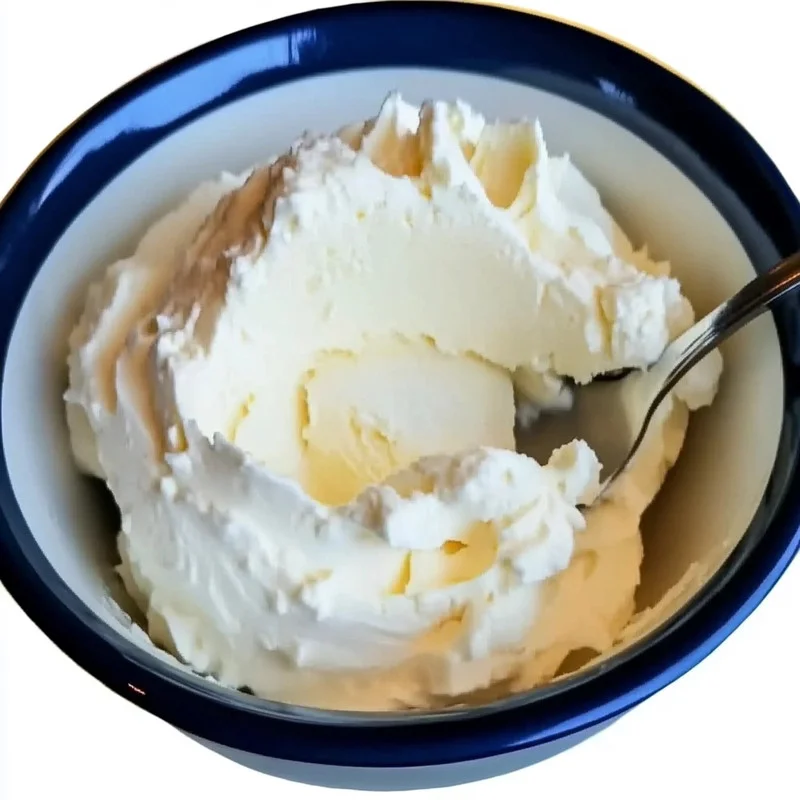
Oh, cream cheese! Just thinking about it brings back so many cozy memories. Whether it’s smeared thick on a warm bagel on a lazy Sunday morning, whipped into frosting for a birthday cake, or as the star of a creamy dip for game night, cream cheese is just pure comfort, isn’t it? For the longest time, I thought making something so perfectly rich and smooth at home was completely out of reach. Like, some kind of kitchen magic only dairy farmers knew. But guess what? It’s not! And today, I’m going to show you how unbelievably easy it is to whip up your own batch right in your kitchen. Get ready to impress yourself!
Why You’ll Love This Recipe
- Fast: Seriously, active time is minimal. You’ll be enjoying homemade cream cheese in under an hour (plus chilling time!).
- Easy: If you can heat milk and press a button on a food processor, you can make this!
- Giftable: Spooned into a cute jar, this makes a thoughtful (and impressive!) gift for the food lovers in your life.
- Crowd-Pleasing: Use it for bagels, dips, frostings, or just sneak spoonfuls from the fridge – everyone loves it!
Ingredients
You only need a few simple things you probably already have!
- 4 cups whole milk: This is your base! Using whole milk gives you that classic richness. You can even use a mix of whole milk and a splash of heavy cream for extra decadence, which is what I sometimes do when I’m feeling fancy!
- 2 tbsp white vinegar: This is your magic ingredient that makes the milk curdle! White vinegar works perfectly, but don’t worry if you don’t have it. Lemon juice or even citric acid dissolved in a little water work just as well.
- ¼ tsp salt: A little pinch enhances the flavor. You can always add a tiny bit more later to taste, so start small.
How to Make It
Alright, let’s get cooking! Don’t blink, because it happens pretty fast.
- Heat the Milk: Grab a large saucepan and pour in your milk. Set it over medium heat. You’ll want to stir it occasionally with a spatula or wooden spoon, especially as it heats up, just to make sure it doesn’t stick to the bottom and scorch. Keep heating until you see it just reach a gentle full boil – that’s when tiny bubbles cover the surface and steam rises steadily. Once it hits that point, immediately reduce the heat to very low.
- Add Vinegar to Curdle: Here comes the fun part! Slowly drizzle in the white vinegar while you continuously and gently stir the milk. As you stir, you’ll literally see the milk transform! It will start to separate into solid white clumps (the curds) and a cloudy yellowish liquid (the whey). It’s like a science experiment! Once you’ve added all the vinegar and stirred for a moment, take the pan off the heat and just let it sit undisturbed for about 5 minutes. This gives the curds time to really separate nicely from the whey.
- Strain the Curds: Now, grab a bowl and set a strainer or colander over it. Carefully line the strainer with a piece of cheesecloth. Gently pour the curdled milk mixture into the lined strainer. The liquid whey will drain through, leaving the solid curds behind. Let it sit there for about 10-15 minutes to drain naturally. If you’re in a bit of a hurry or want a thicker cream cheese, you can very gently gather the edges of the cheesecloth and give it a light squeeze to push out more liquid. Don’t squeeze too hard, though, or you might push the curds through!
- Blend Until Smooth: Transfer those beautiful, drained curds from the cheesecloth into your food processor. Add your salt now. This is also the time to add any fun flavorings you like! Pulse the food processor a few times to break things up, then turn it on high speed and let it run for about 2-3 minutes. You’ll need to stop it occasionally to scrape down the sides with a spatula to make sure everything gets blended into a super smooth, creamy consistency. Keep blending until it looks like the cream cheese you know and love!
- Chill Before Use: Once it’s perfectly smooth, spoon your homemade cream cheese into an airtight container. Pop it in the refrigerator for at least 30 minutes. This chilling time is important because it helps it firm up to that spreadable consistency.
Substitutions & Additions
This basic recipe is fantastic, but you can totally play around with it!
- Vinegar Swap: As mentioned, lemon juice or citric acid (follow package directions for quantity, but usually a tiny amount works) are great stand-ins for white vinegar.
- Flavor Boosts: This is where it gets fun! Add finely chopped fresh chives or dill for a savory spread. Mix in a little garlic powder and onion powder. For a sweet version, blend in a tablespoon of honey or maple syrup and a pinch of vanilla extract. A little lemon zest is also lovely!
- Richer Texture: Swap out 1 cup of the whole milk for heavy cream before heating for an even richer, more decadent cream cheese.
Tips for Success
Making cream cheese is pretty forgiving, but here are a few tips to make sure yours turns out perfect every time:
- Don’t Skip the Stirring: Stirring the milk as it heats prevents a skin from forming and keeps it from sticking to the bottom of the pot.
- Be Gentle When Stirring in Vinegar: You don’t need to aggressively whisk when adding the vinegar; a gentle stirring motion is all it takes to help the curds form.
- Let it Rest: Giving the mixture those 5 minutes off the heat after adding the vinegar really helps the curds separate properly.
- Drain Well (But Don’t Overdo It): Drain long enough to get rid of most of the whey, but don’t squeeze so hard that the curds become dry or grainy. A little moisture is good for that creamy texture.
- Blend Long Enough: Don’t skimp on the blending time in the food processor. That’s what makes it silky smooth! Keep scraping down the sides and blend until you see that familiar creamy texture.
How to Store It
Your delicious homemade cream cheese needs to be kept happy in the fridge!
- Simply spoon it into a clean, airtight container.
- Store it in the refrigerator.
- It should keep well for about 7-10 days. Always give it a quick sniff test before using, though!
FAQs
Got questions? I’ve got answers!
Q: My milk didn’t curdle! What went wrong?
A: This usually happens if the milk wasn’t hot enough when you added the acid, or if the acid (vinegar, lemon juice) isn’t strong enough. Make sure the milk reaches that gentle boil, and try adding a little more acid if it doesn’t separate after a few minutes.
Q: Can I use low-fat or non-fat milk?
A: While you can make curds from lower-fat milk, the yield will be much smaller, and the resulting “cream cheese” won’t be nearly as rich, creamy, or spreadable. For best results, stick with whole milk or a mix with cream.
Q: What can I do with the leftover whey?
A: Don’t toss it! Whey is surprisingly useful. You can use it in smoothies, use it in place of water or milk in baking (like bread or muffins), or even add it to soups or stews for extra protein.
Q: Why is my cream cheese grainy?
A: Graininess can happen if you didn’t blend it long enough in the food processor, or if you didn’t drain the curds quite enough (leaving too much whey). Try putting it back in the food processor and blending for another minute or two, scraping down the sides really well.
Homemade Cream Cheese
Ingredients
Equipment
Method
- Heat the Milk: Grab a large saucepan and pour in your milk. Set it over medium heat. You'll want to stir it occasionally with a spatula or wooden spoon, especially as it heats up, just to make sure it doesn't stick to the bottom and scorch. Keep heating until you see it just reach a gentle full boil – that's when tiny bubbles cover the surface and steam rises steadily. Once it hits that point, immediately reduce the heat to very low.
- Add Vinegar to Curdle: Slowly drizzle in the white vinegar while you continuously and gently stir the milk. As you stir, you'll literally see the milk transform! It will start to separate into solid white clumps (the curds) and a cloudy yellowish liquid (the whey). Once you've added all the vinegar and stirred for a moment, take the pan off the heat and just let it sit undisturbed for about 5 minutes. This gives the curds time to really separate nicely from the whey.
- Strain the Curds: Now, grab a bowl and set a strainer or colander over it. Carefully line the strainer with a piece of cheesecloth. Gently pour the curdled milk mixture into the lined strainer. The liquid whey will drain through, leaving the solid curds behind. Let it sit there for about 10-15 minutes to drain naturally. If you're in a bit of a hurry or want a thicker cream cheese, you can very gently gather the edges of the cheesecloth and give it a light squeeze to push out more liquid. Don't squeeze too hard, though, or you might push the curds through!
- Blend Until Smooth: Transfer those beautiful, drained curds from the cheesecloth into your food processor. Add your salt now. This is also the time to add any fun flavorings you like! Pulse the food processor a few times to break things up, then turn it on high speed and let it run for about 2-3 minutes. You'll need to stop it occasionally to scrape down the sides with a spatula to make sure everything gets blended into a super smooth, creamy consistency. Keep blending until it looks like the cream cheese you know and love!
- Chill Before Use: Once it's perfectly smooth, spoon your homemade cream cheese into an airtight container. Pop it in the refrigerator for at least 30 minutes. This chilling time is important because it helps it firm up to that spreadable consistency.
28 thoughts on “Homemade Cream Cheese: Easy & Delicious Recipe”
Comments are closed.