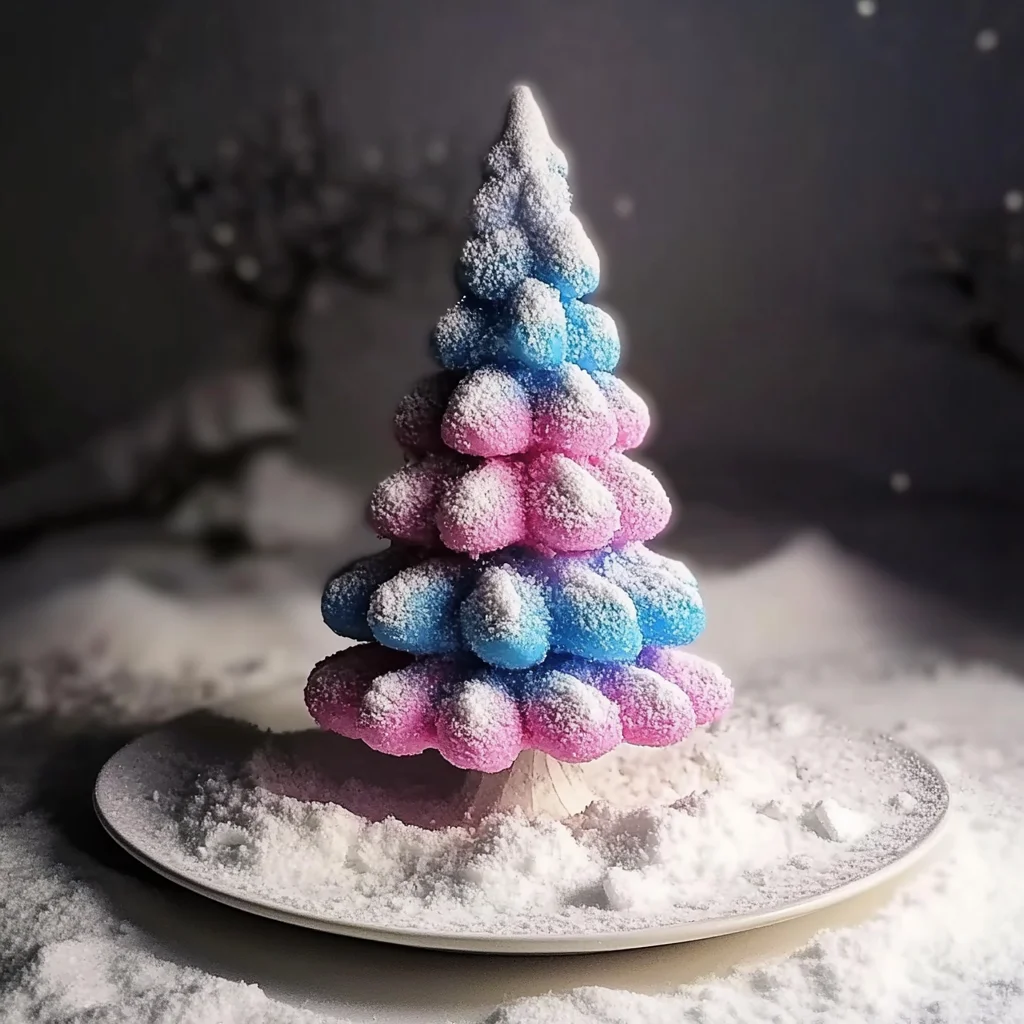
Ingredients
Equipment
Method
- Step 1: Place a shallow tray or baking dish on a stable, flat surface. If using small plastic or paper trees, arrange them in the center of the tray.
- Step 2: Combine 1 cup of baking soda with 1/3 cup of water in a mixing bowl. Add a few drops of food coloring if desired and mix in 1 teaspoon of white glue for additional texture.
- Step 3: Stir until the mixture resembles damp sand and can hold its shape. Carefully spoon the mixture around the base and branches of the trees to create a snow-covered appearance.
- Step 4: Leave the snow-covered trees undisturbed for several minutes and observe the changing texture and appearance. Compare different shapes and amounts of mixture as part of the sensory activity.
- Step 5: Experiment with additional winter decorations and arrangements. Take pictures of the finished winter scene before the mixture begins to dry and change texture.
Notes
Experiment with cornstarch instead of baking soda for a different texture. Add suitable glitter for sparkle or child-appropriate decorative materials for a winter diorama. The finished mixture is best treated as a short-term craft and may dry out over several days. Supervise young children during sensory play and when using small decorative materials.