

Remember those magical moments as a kid, when art supplies felt like a gateway to another world? The thrill of mixing colors, the joy of watching them spread across paper, and the pure wonder of discovery? Well, get ready to relive some of that magic with a super fun, science-meets-art activity that will have your little ones giggling with delight: Fizzy Painting! It’s incredibly easy, surprisingly quick, and the results are always spectacular. Plus, it makes for some truly unique and memorable art pieces!
Why You’ll Love Fizzy Painting for Kids
- Fast: You can set this up and start creating in minutes.
- Easy: Even the youngest artists can participate with minimal help.
- Giftable: The finished artwork makes for a thoughtful, handmade gift.
- Crowd-pleasing: It’s a guaranteed hit at playdates, parties, or just a rainy afternoon.
Ingredients
You probably have most of these goodies in your pantry right now!
- Baking Soda: The superstar of our fizzy reaction!
- Cornstarch: This helps create a nice, thick paste for painting.
- Water: Just enough to get our paste to the perfect consistency.
- Food Coloring or Liquid Watercolor Paints: For vibrant, beautiful colors. I love using liquid watercolors because they tend to be more vibrant, but food coloring works perfectly too!
- Vinegar: The “magic potion” that makes everything fizz and bubble! White vinegar is best as it’s clear and doesn’t add any color to the reaction itself.
- Muffin Tin or Small Bowls: To hold your different paint colors.
- Paintbrushes or Pipettes: For applying the paint. Pipettes are super fun for little hands!
- White Cardstock or Watercolor Paper: The sturdy paper holds up well to the moisture.
- Tray or Shallow Bin: To catch any drips and make cleanup a breeze.
How to Make Fizzy Painting for Kids
Alright, let’s get our hands a little messy and create some magic!
- Prep Your Colors: Grab your muffin tin or small bowls. In each compartment, combine about 1/2 cup of baking soda with 1/4 cup of cornstarch. Give it a good mix until everything is nicely incorporated.
- Add the Color: Now for the fun part! Add a few drops of your chosen food coloring or liquid watercolor paints into each bowl. You can do one color per bowl or get creative and mix them!
- Create the Paint: Slowly add water, just a tablespoon at a time, to each bowl. Mix it with your paintbrush or a spoon until you get a thick, paint-like paste. You want it to be spreadable but not too runny. If it’s too thick, add a tiny bit more water; if it’s too thin, add a bit more cornstarch and baking soda mixture.
- Start Painting: Hand your little artists some paper and let them go wild with their colored pastes! They can use paintbrushes, fingers (if you’re feeling brave!), or even pipettes to apply the “paint” to their paper. Encourage them to create designs, blobs, or whatever their imagination conjures up.
- Get Ready for the Fizz! While they’re painting, fill your squirt bottles, droppers, or spray bottles with vinegar.
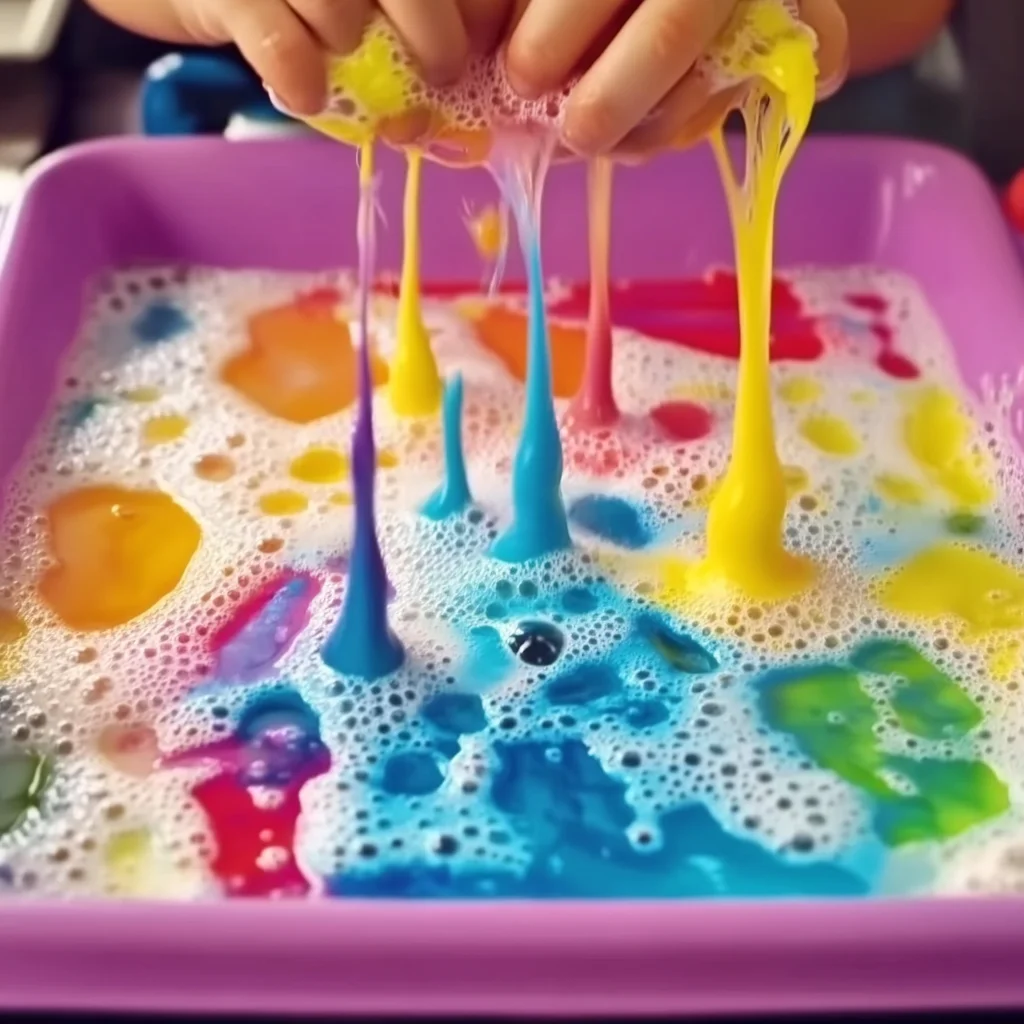
- The Fizzing Fun: Once they’re happy with their painted creations, it’s time for the show! Drizzle, squirt, or spray the vinegar over the painted areas. Watch in amazement as the paper fizzes and bubbles, creating a whole new dimension to their artwork. It’s a science experiment and an art project all in one! You might even want to try some of our other science fun, like a DIY Fizzy Painting for more colorful experiments.
- Let it Dry: Once the fizzing fun has subsided, let the masterpieces dry completely. The cornstarch and baking soda will create a slightly textured finish as they dry.
Substitutions & Additions
Want to switch things up or add even more pizzazz? Here are a few ideas!
- Glitter Power: Add a pinch of glitter to your paint pastes for some extra sparkle.
- Scented Fun: A drop or two of kid-safe essential oils can add a lovely scent to the “paints.”
- Different Bases: Instead of just water, you can experiment with milk (it won’t fizz as much but creates a creamy texture) or even diluted yogurt.
- Textured Paper: Try using textured art paper or even plain brown paper bags for a different feel.
- Vinegar Variations: While white vinegar is standard, you could try apple cider vinegar for a slightly different scent, though it might add a faint amber hue.
Tips for Success
A few little tricks to make your fizzy painting adventure even smoother:
- Contain the Mess: Lay down a plastic tablecloth or newspaper before you start. The tray or bin is your best friend here!
- Paste Consistency is Key: Aim for a thick paste. If it’s too watery, the fizzing won’t be as dramatic, and the colors might blend too much.
- Don’t Over-Vinegar: While it’s tempting to drench the paper, a little vinegar goes a long way. Too much might make the paper soggy.
- Prep Ahead: You can mix the dry ingredients (baking soda and cornstarch) ahead of time and store them in airtight containers. Just add color and water when you’re ready to paint.
- Cleanup Crew: Have damp cloths or paper towels handy for quick cleanups of little hands and surfaces.
- Safety First: While the ingredients are non-toxic, make sure kids don’t ingest the mixture.
How to Store Fizzy Painting for Kids
Once your artwork is completely dry, it’s ready to be displayed or stored! You can frame it, hang it on the fridge, or tuck it away in a portfolio. The artwork itself is permanent once dry. If you happen to have leftover paint paste that hasn’t been mixed with vinegar, you can store it in an airtight container in the refrigerator for a day or two. However, the fizzing reaction only happens when the vinegar is added, so any leftover paste won’t fizz later.
FAQs
Got questions? We’ve got answers!
- What makes the fizzy painting happen?
- It’s all thanks to a classic science reaction! Baking soda (a base) and vinegar (an acid) mix to create carbon dioxide gas. This gas causes the bubbling and fizzing you see.
- Can I use regular paint instead of food coloring?
- You can, but be aware that thicker paints might not react as vigorously with the vinegar. Liquid watercolors or food coloring are usually best for that dramatic fizz!
- Is this messy?
- It can be a little messy, but that’s part of the fun! Using a tray or shallow bin will help contain the fizzing and any drips. Have cleanup supplies ready, and embrace the creative chaos!
- What age is this activity good for?
- This activity is fantastic for toddlers and preschoolers with adult supervision, and it’s also a blast for older kids who enjoy a bit of science mixed with their art. Around ages 3 and up is a great starting point!
This fizzy painting activity is a wonderful way to spark creativity and curiosity in your children. It’s a simple yet impactful way to explore basic science principles while creating beautiful art. For more engaging craft ideas that are just as fun and easy, check out our guide to DIY Fizzing Ice Cubes. It’s another fantastic way to explore the wonders of science and art together!
We’d love to see your little artists’ creations! Share your fizzy painting masterpieces with us by following our adventures on Pinterest!
Fizzy Painting for Kids
Ingredients
Equipment
Method
- Step 1: In each compartment of a muffin tin or small bowl, combine about 1/2 cup of baking soda with 1/4 cup of cornstarch. Mix well.
- Step 2: Add a few drops of food coloring or liquid watercolor paints to each bowl for desired colors.
- Step 3: Slowly add water, one tablespoon at a time, to each bowl, mixing to create a thick, paint-like paste. Adjust consistency with more water or more dry ingredients as needed.
- Step 4: Provide children with paper and their chosen tools (paintbrushes, pipettes, or fingers) to apply the colored pastes to their paper.
- Step 5: While they paint, fill squirt bottles, droppers, or spray bottles with white vinegar.
- Step 6: Once the paintings are complete, drizzle, squirt, or spray the vinegar over the painted areas to create the fizzing and bubbling reaction.
- Step 7: Allow the artwork to dry completely. The finished pieces will have a slightly textured finish.
Your point of view caught my eye and was very interesting. Thanks. I have a question for you.
Your point of view caught my eye and was very interesting. Thanks. I have a question for you.
Your point of view caught my eye and was very interesting. Thanks. I have a question for you. https://accounts.binance.bh/register/person?ref=IHJUI7TF
I don’t think the title of your article matches the content lol. Just kidding, mainly because I had some doubts after reading the article.